We're Open
- Mail Us On
- infodrainproplumbing.com.au
- 24/7 Emergency Plumbing
- Emergency 24/7 Available
Why Is My Sink Draining Slowly in Perth Homes?
Why Is My Sink Draining Slowly in Perth Homes?
A slow-draining sink is a common but frustrating plumbing issue that many homeowners face. Whether it’s in your kitchen or bathroom, sluggish water flow can disrupt daily routines and indicate a deeper problem.
Common Causes of a Slow-Draining Sink
There are several reasons why your sink may be draining slowly. One of the most common causes is a buildup of debris inside the pipes. In kitchen sinks, grease, food particles, and soap residue can accumulate over time, restricting water flow. In bathroom sinks, hair, toothpaste, and soap scum are usually the main culprits.
Another possible cause is a blockage deeper within the plumbing system. This can occur in the main drain line and may require professional attention to resolve.
Grease and Food Buildup in Kitchen Sinks
Pouring grease or oil down the sink is a common mistake that leads to blockages. As grease cools, it solidifies and sticks to the inner walls of the pipes, trapping other debris and gradually narrowing the passage. Over time, this results in slow drainage and eventually a complete blockage.
Hair and Soap Residue in Bathroom Drains
In bathroom sinks, hair and soap residue are the leading causes of slow drainage. Hair can easily get trapped in the drain and combine with soap scum to form stubborn clogs. Regular cleaning and the use of drain strainers can help prevent this issue.
Pipe Blockages and Tree Roots
In some cases, the problem may not be within your sink but deeper in the plumbing system. Tree roots can invade underground pipes, especially in older homes in Perth, causing partial or complete blockages. This type of issue often requires specialized equipment to diagnose and fix.
Ventilation Issues in Plumbing Systems
Your plumbing system relies on proper ventilation to allow water to flow smoothly. If the vent pipes are blocked or not functioning correctly, it can create a vacuum effect that slows down drainage. This is a less common issue but still worth considering if other causes have been ruled out.
Simple DIY Fixes to Try First
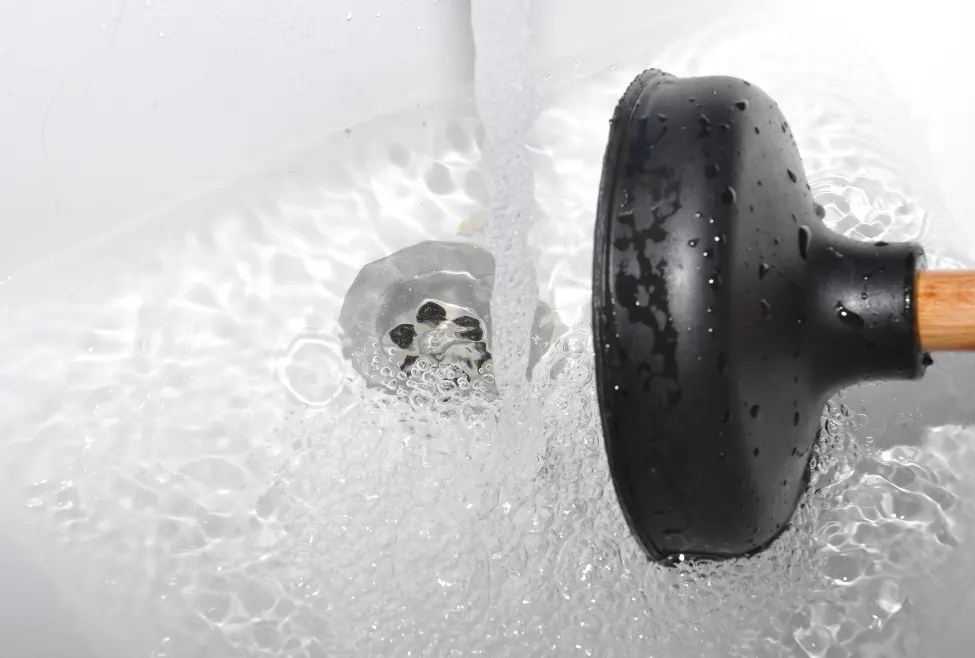
Before calling a professional, there are a few simple solutions you can try. Using a plunger can help dislodge minor blockages. You can also remove and clean the drain trap to clear out any debris. Flushing the drain with hot water and mild detergent may help dissolve grease buildup.
However, avoid using harsh chemical cleaners, as they can damage your pipes and worsen the problem over time.
When to Call a Professional Plumber
If your sink continues to drain slowly despite trying basic fixes, it’s time to call a licensed plumber in Perth. Persistent issues often indicate a deeper blockage or structural problem within your plumbing system. Professional plumbers use advanced tools such as drain cameras and high-pressure jetting to identify and resolve the issue effectively.
How to Prevent Slow Drains
Preventing slow drains is easier than dealing with them. Avoid pouring grease or food waste down the sink, use strainers to catch debris, and clean your drains regularly. Scheduling routine plumbing maintenance can also help keep your system in good condition and prevent future problems.
Conclusion
A slow-draining sink may seem like a minor issue, but it can be a sign of a more serious problem. By understanding the common causes and taking preventive measures, you can keep your plumbing system running smoothly. For homeowners in Perth, seeking professional help when needed ensures long-lasting solutions and peace of mind.
About Drainpro Plumbing
We want to thank you for taking an interest in our company. At Drainpro Plumbing, we are truly passionate about helping our Mandurah customers with any plumbing issues that they may have.
Get A QuoteContact Info
- Mandurah, Western Australia
- 0413 904 259
- infodrainproplumbing.com.au


 Call Us
 Text Us